Styling Vintage Projects with Journaled Flowers Vol. 7
When you are building a brand identity or designing a scrapbook page that tells a story, the background texture does as much heavy lifting as the foreground content. We often obsess over typography, debating between a serif font and a sans serif font, but the canvas that holds those words matters just as much. This is where the Journaled Flowers Vol. 7 | Collection steps in. It is not just a set of digital papers; it is a toolkit for instant atmosphere. If you are working on a project that requires a sense of history, nostalgia, or a tactile "lived-in" quality, understanding how to leverage these assets is key to creating professional, engaging designs.
The Aesthetic of Imperfection
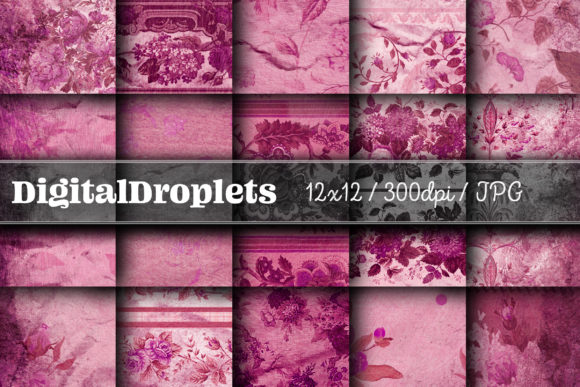
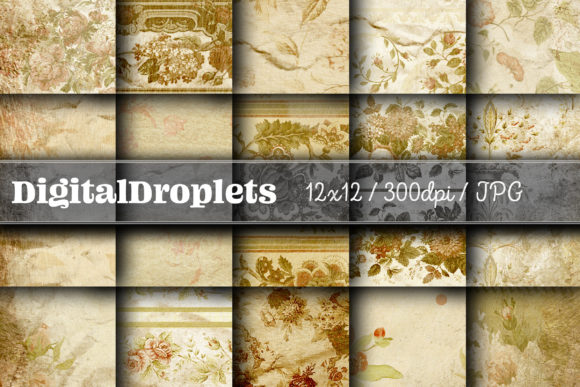
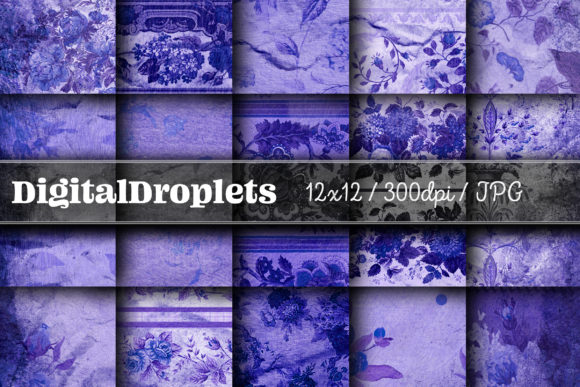
The core appeal of the Journaled Flowers Vol. 7 | Collection lies in its embrace of imperfection. In a digital world that is often sterile and vector-perfect, this collection offers a breath of organic air. The visual personality is distinctly vintage, characterized by floral patterns that are overlaid onto crinkled paper textures. This isn't a clean, modern geometric print; it is designed to look like it has been sitting in an attic trunk for decades.
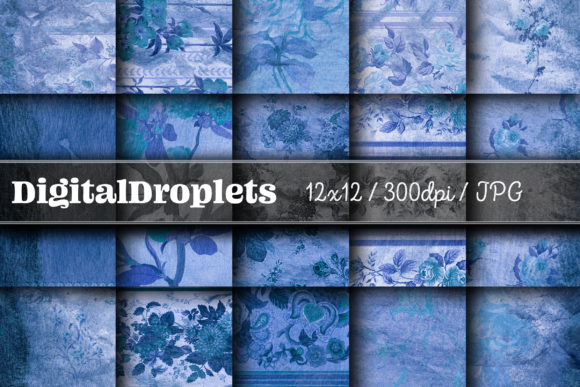
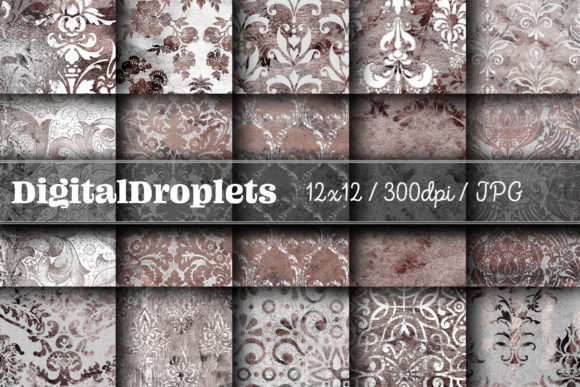
Each of the ten papers in this set features a different flower-themed pattern, ensuring variety while maintaining a cohesive aesthetic. The "crinkle" texture is vital here. It adds depth and shadow that flat digital colors lack. When you use a background like this, you are immediately signaling to your viewer that the content is personal, handcrafted, or historical. It evokes the feeling of a handwritten letter or a page torn from an antique diary. This specific style works beautifully as a counterpoint to cleaner design elements. For example, pairing a rough, floral background with a sleek, modern typography style creates a dynamic tension that draws the eye.
Strategic Applications for Designers and Entrepreneurs
While this set is an obvious win for scrapbookers, its utility extends far into professional realms like editorial design, packaging design, and web design. As a creative professional, you can use these textures to solve specific visual problems.
Branding and Stationery
For small business owners, particularly those in the wedding industry, artisan goods, or boutique consulting, these papers provide an excellent foundation for stationery. Imagine a business card where the logo—perhaps set in an elegant script font or handwritten font—sits atop a subtle, crinkled floral background. It communicates a brand personality that values tradition and detail. You can also use these textures to create custom envelopes or wax-seal backings that feel premium and tactile, even before the client touches the physical product.
Digital Assets and Social Media
In the realm of digital marketing, stopping the scroll is the goal. The Journaled Flowers Vol. 7 papers make excellent backgrounds for social media graphics, particularly for quotes, announcements, or "behind-the-scenes" content. They work exceptionally well for creating digital washi tape strips or decorative frames for photos. Because the papers are high-resolution (300dpi), they are also perfect for blog design. You can slice them into headers, sidebars, or footer backgrounds to break up the monotony of a standard website layout.
Junk Journaling and Mixed Media
For the hobbyist and crafter, the application is straightforward but profound. These papers are ideal for junk journaling, where the goal is to create a book that looks like a collection of found objects. You can print these out to create pockets, tags, and tuck spots. The vintage feel blends seamlessly with other design assets like lace, buttons, and old postage stamps.
Design Observations and Pairing Strategies
Using a busy, textured background requires a bit of strategy to ensure your message isn't lost. Here is how to get the most out of the Journaled Flowers Vol. 7 | Collection:
- Contrast is King: Because these papers have a distinct texture, you need your foreground elements to pop. If you are placing text over the floral patterns, use a bold sans serif font or a thick display font. Avoid thin, wispy fonts that might get lost in the crinkles of the paper.
- Use Overlay Shapes: Don't just slap text directly onto the busiest part of the flower pattern. Place a semi-transparent shape—like a white rectangle or a soft oval—between the background and your text. This creates a "safe zone" for readability while allowing the vintage texture to frame the content.
- Color Coordination: Since the papers feature specific floral tones, sample colors directly from the image to use in your typography or borders. This ensures that your brand identity remains consistent and harmonious.
- Print vs. Screen: Remember that textures often look different on screen than they do on paper. If you are using these for wall art or physical invitations, do a test print on matte paper first. Glossy paper can sometimes diminish the "crinkled" effect, making it look artificially shiny rather than authentically old.
Technical Specs and Commercial Viability
Practicality matters when you are investing in design assets. The Journaled Flowers Vol. 7 set includes 10 high-resolution JPEG files in a 12x12 inch format at 300dpi. This is the industry standard for print quality, ensuring that your designs remain crisp and pixel-perfect whether you are printing a small sticker or a large piece of wall art.
It is worth noting that this set is a curated selection from a larger 20-paper collection. This offers a low-risk entry point to test the style in your workflow. If you find that the vintage floral aesthetic resonates with your audience, you can expand your library with the full collection. The versatility of these files makes them a strong asset for commercial use—think planner stickers, gift wrap, or invitations that you sell in your own shop.
Ultimately, the Journaled Flowers Vol. 7 | Collection is about adding soul to your digital work. It bridges the gap between the convenience of digital creation and the warmth of handcraft. Whether you are building a logo design for a boutique florist or assembling a family history album, these textures provide the foundation for a story that feels real, tactile, and timeless.