Olden Damask Paper Vol. 23: Vintage Texture for Modern Design
The Character of These Papers
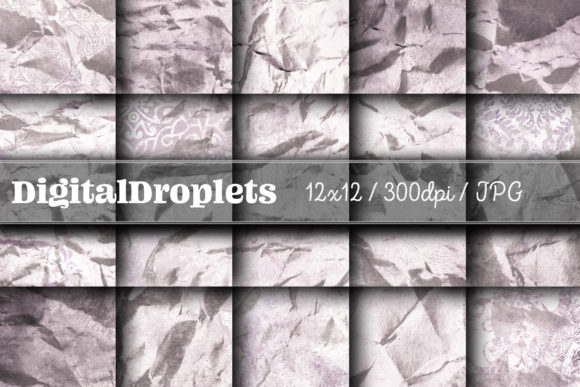
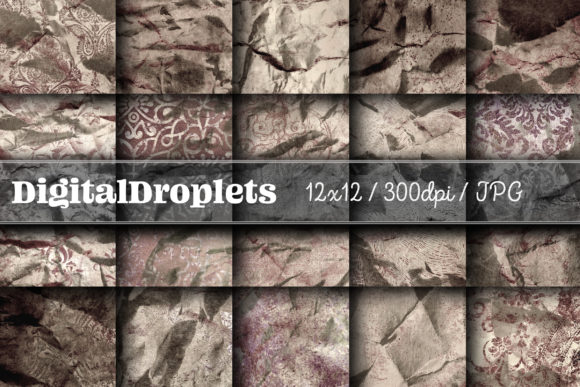
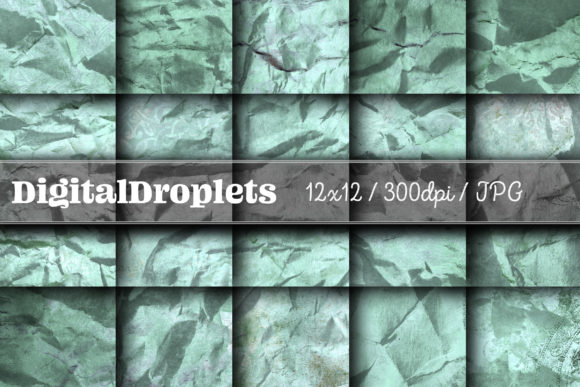
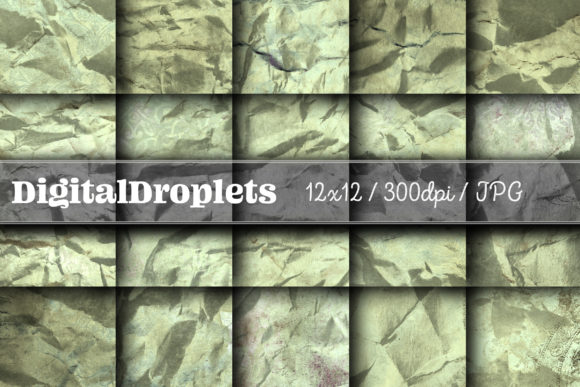
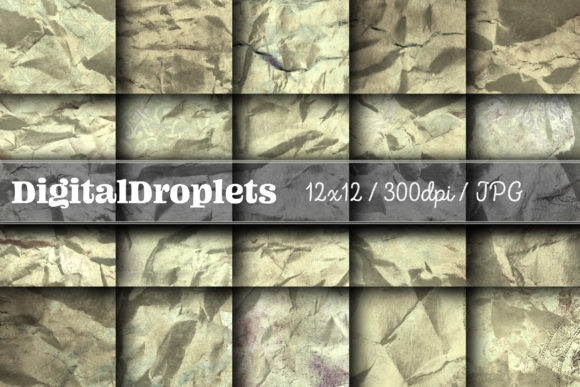
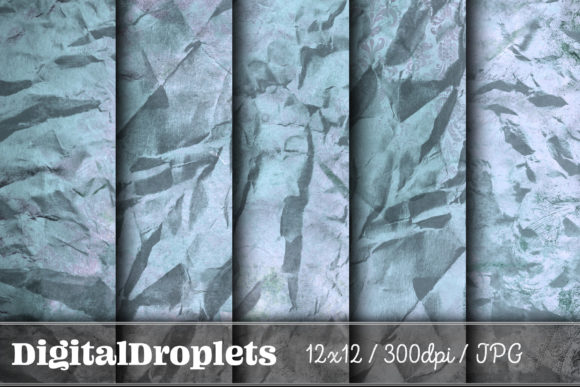
The Olden Damask Paper Vol. 23 | Collection brings together two distinct visual elements: ornate damask patterns and heavily distressed paper textures. Each of the ten included papers features a different damask design, from classic floral motifs to more geometric arrangements, all rendered with that characteristic vintage feel. The crumpled paper overlay adds genuine depth—you can see the creases, the subtle warping, the way light would catch on actual aged paper.
What makes this particular set stand out is the layering. The damask patterns beneath have that slightly faded quality, as though they've been sitting in a drawer for decades. The vintage paper blend on top doesn't just sit flat over the pattern; it interacts with it, creating pockets of clarity and areas where the design recedes into the texture. This gives each page a sense of history and authenticity that's hard to manufacture from scratch.
The color palette across the collection leans toward muted, earthy tones—think aged ivory, soft sepia, dusty rose, and weathered gold. These aren't papers that scream for attention. They have a quiet confidence, the kind of visual personality that supports your project rather than overwhelming it. That restraint is actually what makes them so versatile.
Where These Papers Actually Work
I've seen designers struggle with vintage-style assets because they often look great in isolation but clash with everything else in a project. The Olden Damask Paper Vol. 23 | Collection avoids that problem by staying relatively neutral in tone and composition. The patterns are detailed enough to be interesting but not so busy that they compete with text, photos, or other design elements layered on top.
For scrapbooking and photo albums, these papers work beautifully as full-page backgrounds or as accent layers behind photos. The texture adds visual interest without distracting from your images. Junk journal makers will find them particularly useful—the crumpled paper texture fits that aesthetic perfectly, and the damask patterns provide an elegant counterpoint to more chaotic collage elements.
Card makers should pay attention here. Whether you're designing birthday cards, wedding invitations, or general greeting cards, a single sheet can serve as a sophisticated background. The 12x12 format at 300dpi gives you plenty of resolution to crop down to standard card sizes without losing detail. The same applies to gift tags, envelope liners, and washi tape strips—smaller applications where that texture and pattern combination really shines.
Beyond paper crafts, these assets translate well into digital work. Blog headers, social media backgrounds, website hero sections, and email newsletter designs all benefit from textured backgrounds that add warmth without clutter. Photographers sometimes use papers like these as digital backdrops for flat-lay product photography or styled stock images. The key is treating them as a supporting element rather than the focal point.
Practical Considerations for Your Projects
The set includes ten JPEG files, which represents half of the full twenty-paper collection. The listing images show samples from the complete set, so what you receive will be a curated selection from that larger group. If you find yourself wanting more variety, there are additional sets available that expand the range of patterns and color variations.
At 300dpi in a 12x12 format, these are print-ready files. You can scale them down for digital use without any quality loss, and they hold up well when printed at their native size. For larger print applications, you might need to tile them, but the pattern repeat is forgiving enough that seams aren't particularly noticeable with careful placement.
When pairing these papers with typography, consider the vintage personality of the assets. Serif typefaces tend to complement the damask aesthetic naturally, but a clean sans-serif font can create an appealing contrast that keeps your design from feeling too nostalgic. Script and handwritten fonts work well for accent text—think titles, quotes, or callouts—but use them sparingly against these patterned backgrounds to maintain readability.
For brand identity work, these papers could anchor a visual system for businesses that want to convey heritage, craftsmanship, or artisanal quality. Think specialty food brands, boutique retail, vintage-inspired wedding services, or heritage product lines. The textures communicate authenticity in a way that clean, modern backgrounds sometimes can't.
Making the Most of Textured Design Assets
One practical tip: when using the Olden Damask Paper Vol. 23 | Collection as a background for text-heavy designs, add a semi-transparent overlay or a solid text box over the area where your copy will sit. This preserves the texture and pattern in the surrounding space while ensuring your message remains legible. It's a simple technique that separates professional-looking designs from amateur ones.
Layering multiple papers from the set can create interesting effects too. Try placing one paper at reduced opacity over another, or use one as a full background and another as a framed accent element within the same layout. The consistent vintage character across the collection means the papers play well together without looking mismatched.
For home decor projects—framed wall art, decorative boxes, furniture decoupage—the high resolution ensures sharp detail even at larger scales. The damask patterns have enough complexity to reward close inspection, which matters when someone's going to be looking at your finished piece up close.
These are design assets that reward experimentation. Start with a simple application—a card background, a journal page, a social media post—and you'll quickly develop a sense for how the textures and patterns interact with your other design elements. The vintage quality isn't just decorative; it adds a layer of emotional resonance that purely digital textures often lack.