Hidden Christmas Vol. 2: Gothic & Grunge Holiday Papers
A Darker Take on Festive Design
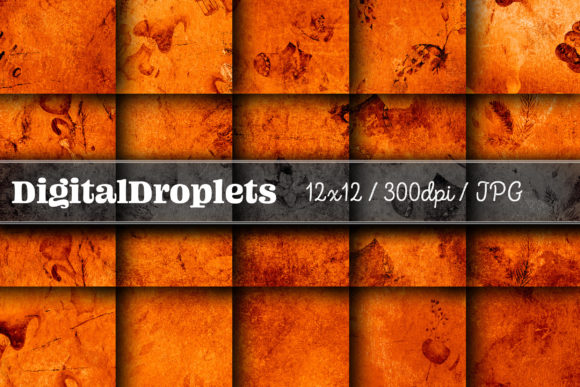
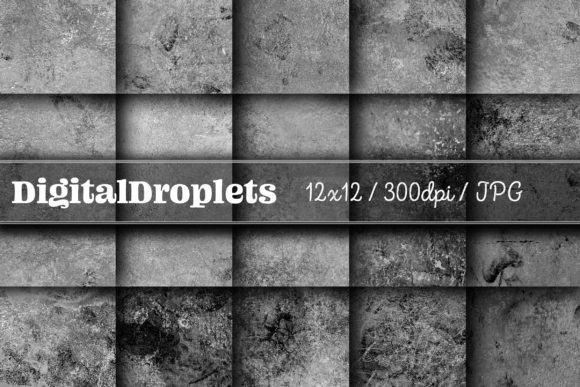
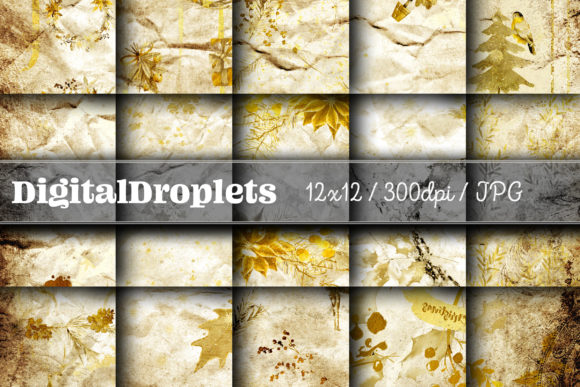
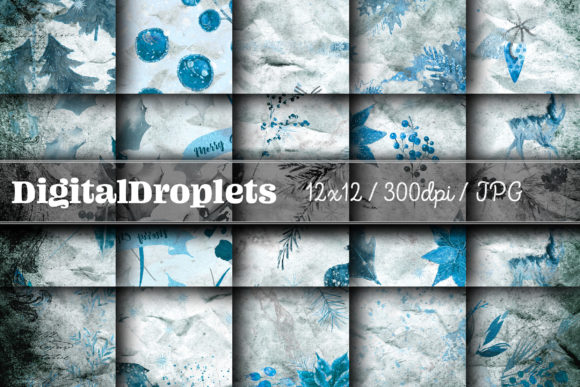
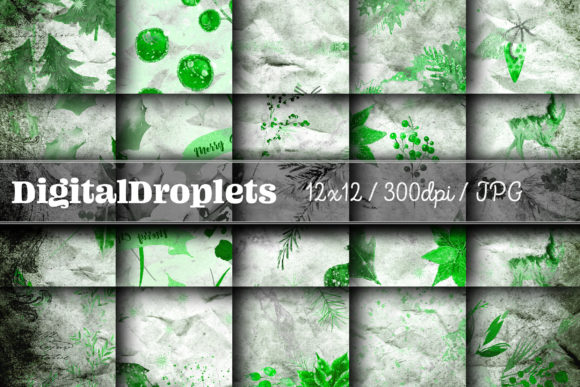
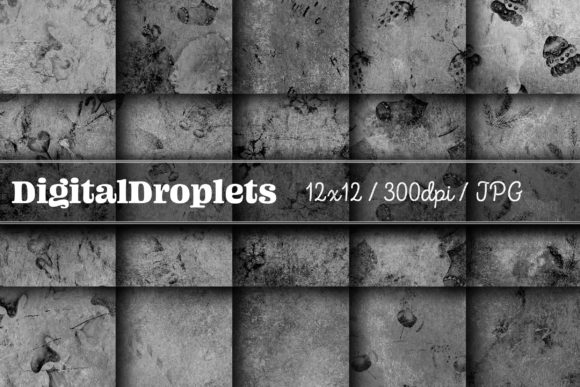
The holiday season doesn't have to mean candy cane stripes and snowflake overload. If your creative projects lean toward moody, atmospheric aesthetics, the Hidden Christmas Vol. 2 | Collection offers something genuinely different. This set of 10 high-resolution papers pairs classic Christmas patterns—think ornaments, holly, and seasonal motifs—with watercolor textures that feel aged, weathered, and undeniably characterful.
What makes this collection stand out is its refusal to play it safe. Each page carries a subtle Christmas pattern layered over grungy, vintage-inspired backgrounds. The result is a paper set that bridges the gap between holiday cheer and gothic elegance. Whether you're drawn to steampunk sensibilities, Victorian-era design, or simply prefer your festive materials with a bit of edge, these papers deliver without feeling like a novelty.
The watercolor textures underneath give every sheet organic depth. You won't find flat, digital-looking surfaces here. Instead, each paper has the kind of visual richness that comes from genuine texture—blending, bleeding, and layering in ways that feel handmade rather than manufactured.
Where These Papers Actually Work
Scrapbooking is an obvious starting point, but Hidden Christmas Vol. 2 extends well beyond traditional craft applications. Junk journal enthusiasts will find these papers particularly useful for creating backgrounds that set a mood without overwhelming handwritten text or vintage ephemera. The subdued patterns sit behind your content rather than competing with it.
For designers working on packaging design or brand identity projects with a darker aesthetic, these papers can serve as texture overlays or background elements. Imagine a small-batch candle brand wrapping their holiday collection in papers that suggest candlelit Victorian parlors rather than department store displays. That's the kind of visual storytelling this collection supports.
Practical applications include:
- Card making — Layer these textures behind stamped sentiments or die-cut shapes for handmade cards with genuine personality
- Washi tape strips — Print sections onto adhesive paper for custom tape that coordinates with your projects
- Tags and envelopes — Create gift packaging that feels curated rather than mass-produced
- Planner stickers — Design functional stickers with atmospheric backgrounds
- Blog design and web backgrounds — Use cropped sections as texture layers in digital layouts
- Wall art — Print and frame individual sheets as standalone seasonal decor
- Social media graphics — Set a moody holiday tone for Instagram posts or Pinterest pins
The 12×12 inch format at 300dpi gives you flexibility for both print and digital work. At that resolution, you can crop into specific areas without losing quality, which matters when you're using these as design assets in professional projects.
Working With Gothic and Grunge Aesthetics
There's a common misconception that darker design palettes limit your audience. In reality, the gothic and grunge aesthetic has carved out a substantial niche in editorial design, packaging design, and even web design. Brands like craft distilleries, independent bookshops, and artisan food producers regularly lean into these visual languages because they communicate authenticity, craftsmanship, and individuality.
When incorporating papers from Hidden Christmas Vol. 2 into your work, consider how the existing texture interacts with your other elements. These papers carry significant visual weight on their own, so pairing them with clean, minimal typography often works better than layering additional ornate details on top. A simple serif typeface or a straightforward sans serif font lets the paper texture breathe while keeping your message readable.
Color choices matter too. The watercolor bases in this collection tend toward muted, desaturated tones. Working within that palette—adding elements in deep burgundy, antique gold, charcoal, or cream—creates cohesion. Bright, saturated colors can feel jarring against these backgrounds unless used sparingly as accent points.
For logo design or brand identity work, these papers function best as supporting elements rather than primary design components. Use them as texture behind text treatments, as background layers in product mockups, or as physical collateral materials. A business card printed on one of these textures, combined with a clean premium font in foil stamping, creates a tactile experience that digital-only designs can't replicate.
Evaluating Fit for Your Projects
Before committing to any creative font or design asset, it's worth asking whether the aesthetic genuinely aligns with your project's goals. The Hidden Christmas Vol. 2 collection serves specific visual needs. If your client wants bright, cheerful holiday marketing, this isn't the right fit. But if the brief calls for something with atmosphere, depth, and a touch of the unconventional, these papers deliver exactly that.
Test the papers in context before finalizing. Print a sample at actual size to evaluate how the textures reproduce on your intended paper stock. Digital previews can't fully communicate how ink interacts with physical texture, and the difference between a home printer and professional print output can be significant.
The listing notes that these 10 papers are part of a larger 20-paper set. If you find yourself reaching for these textures regularly, exploring the complete collection gives you more variety and keeps your work from feeling repetitive across multiple projects.
This collection also pairs well with other design assets in similar aesthetic families. Combining these papers with vintage-style script fonts, distressed display fonts, or hand-drawn illustration elements creates layered compositions that feel intentionally curated. The key is maintaining visual consistency—every element should feel like it belongs to the same world.
For crafters and hobbyists, these papers offer an accessible way to elevate handmade projects without extensive design experience. Print, cut, and layer. The textures do most of the visual heavy lifting, which means even simple compositions look polished and intentional.