Halloween Goth Vol. 19: Grungy Textures for Deep, Moody Projects
Beyond Clipart: The Raw, Textured Appeal of This Collection
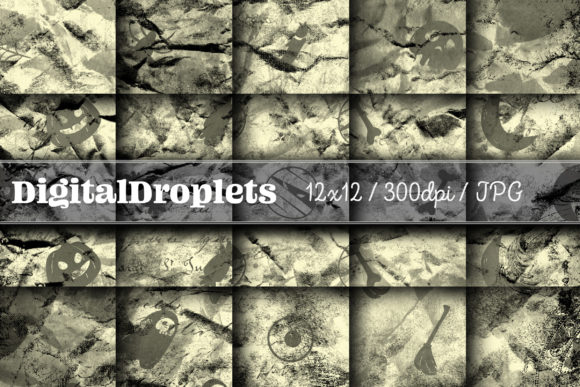
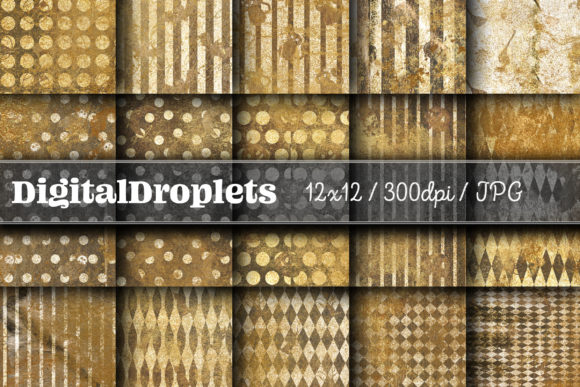
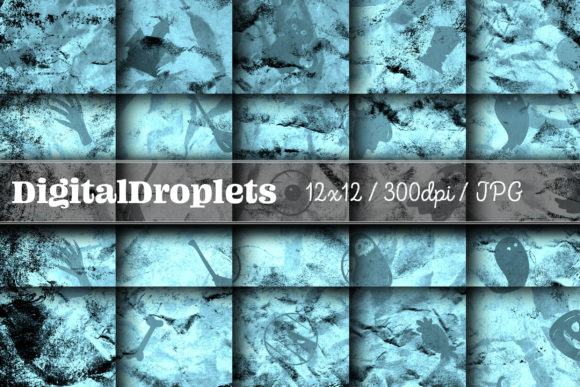
When you’re building a visual world for a brand or a personal project, texture is everything. Flat, clean graphics have their place, but sometimes you need something with grit, history, and a story etched into its surface. That’s the core idea behind the Halloween Goth Vol. 19 | Collection, specifically the 12×12 Paper Set. This isn’t just a digital pack of Halloween patterns. It’s a toolkit for designers and creators who understand that atmosphere is built on detail. Each of the ten papers is a layered composite: a grungy, crumpled paper texture forms the foundation, while Halloween-themed clipart—think subtle icons and motifs—is overlaid and blended into the surface. On top of that, you’ll find secondary patterns like stripes, polka dots, and bunting, all integrated to create a sense of depth that’s hard to achieve with a single, clean graphic.
The personality of this set is distinctly vintage and industrial. It feels like something you’d find in an old attic, a forgotten workshop, or a Victorian curiosity shop. The "goth" element here is less about shock and more about a moody, textural aesthetic that leans into steampunk and antique styles. This makes the Halloween Goth Vol. 19 | Collection incredibly versatile. It’s perfect for a spooky October project, certainly, but its utility extends to any design that requires an aged, worn, or handmade look. The crumpled paper effect adds immediate authenticity, making digital designs feel tangible and crafted.
Practical Applications: From Scrapbooks to Brand Identity
So, where does a resource like this actually work? The short answer is: anywhere you need a powerful, textured background that doesn’t overwhelm the foreground content. For scrapbookers and junk journalers, these papers are a dream. They provide a rich, complex canvas that adds instant vintage character to photo layouts, memory books, and collage projects. The grunge texture helps photos and ephemera blend seamlessly into the page, creating a cohesive, artful look rather than a stark, digital feel.
For digital creators and marketers, the applications are just as practical. Consider using these papers as backgrounds for social media graphics. A post announcing a fall event, a product launch with a rustic theme, or a quote graphic gains immediate visual weight and interest. The texture stops the scroll because it feels different from the flat, overly polished graphics that dominate feeds. Similarly, they make exceptional backgrounds for website hero sections, especially for brands in the artisanal, vintage, or alternative spaces. Imagine a candle maker’s homepage or a boutique brewery’s site using a subtle, dark paper from this set as a base—it immediately communicates a brand identity rooted in craft and authenticity.
The set’s utility extends to physical and digital products alike. Designers can use the papers to create custom washi tape designs, unique gift wrap, or eye-catching envelope liners. For those in publishing, they work beautifully as chapter title pages, section dividers, or background textures for book covers in genres like fantasy, mystery, or historical fiction. The key is to think of these not as standalone illustrations, but as foundational design assets. They provide the mood; your typography and other graphic elements provide the message.
Integrating Texture into Your Design Workflow
Working with heavily textured backgrounds like those in the Halloween Goth Vol. 19 | Collection requires a slightly different approach than using a solid color or a simple pattern. The goal is to let the texture enhance, not compete. A critical step is ensuring readability. If you’re placing text over one of these papers, you’ll likely need to create a slight contrast. This can be achieved with a subtle, semi-transparent shape behind your text, a soft vignette, or by choosing a bold, clean typeface that can hold its own against the visual noise.
This brings us to the important practice of font pairing. A grungy, vintage background pairs best with typefaces that complement its character without creating chaos. A strong, clean sans serif font can provide a modern counterpoint, offering excellent readability and a touch of contemporary clarity. Alternatively, a classic serif font can lean into the vintage feel, reinforcing the historical aesthetic. Script or handwritten fonts should be used sparingly and only if they are very legible, as they can easily get lost in the texture. Always test your combinations at the actual size they will be viewed. What looks good on a large monitor might become muddy on a mobile screen.
Before committing to a project, take time to evaluate the included files. Each of the ten JPEG papers has a distinct color palette and pattern overlay. Some are darker and moodier, others have more pronounced clipart elements. Review them to see which best suits your project’s specific needs. Also, always check the licensing terms for any design asset you use. For commercial projects—whether it’s client work, products for sale, or marketing materials—you need to be certain the license permits that use. Reputable sources for premium fonts and design assets are transparent about their licensing, ensuring you can use your creative tools confidently and professionally.
Ultimately, the value of a collection like Halloween Goth Vol. 19 lies in its ability to add a layer of tactile realism to the digital world. It’s a practical resource for anyone looking to elevate their work with depth, character, and a touch of the macabre. By understanding its strengths and applying it thoughtfully, you can transform ordinary projects into compelling visual stories that resonate with a sense of history and craft.