Golden Damask Dust Vol. 10 | Vintage Paper Collection
The Layered Artistry of Damask and Gilded Texture
Finding the right background is often the most critical step in setting the tone for a project. A flat, solid color can feel sterile, while a busy photograph can distract from your focal point. You need a texture that adds depth and character without overwhelming the content. This is where the Golden Damask Dust Vol. 10 | Collection steps in. It is not merely a set of digital papers; it is a carefully curated compilation of vintage aesthetics designed to provide immediate atmosphere.
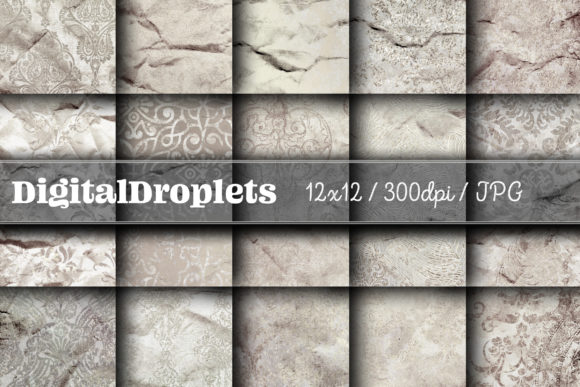
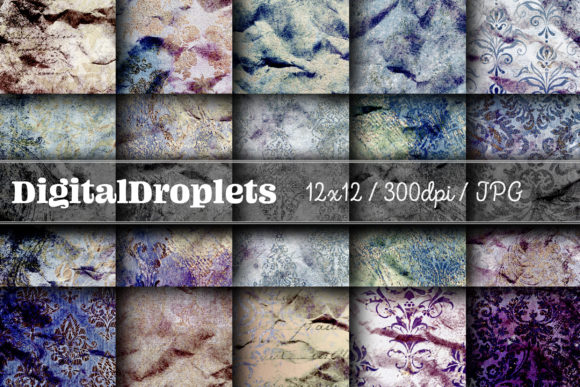
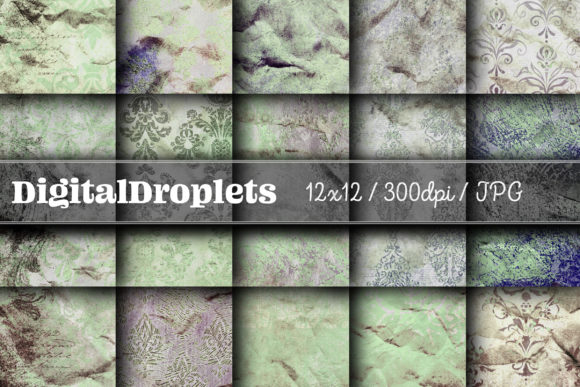
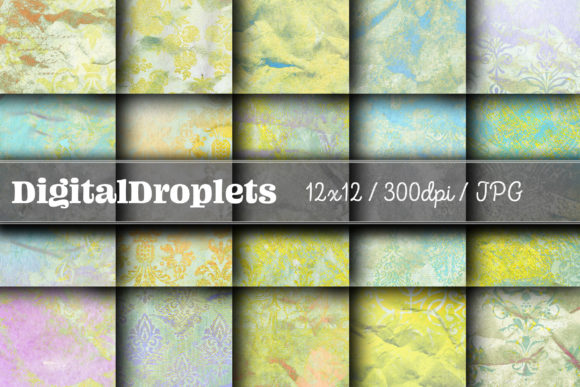
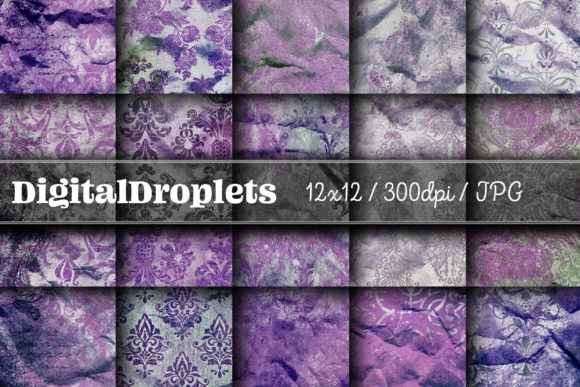
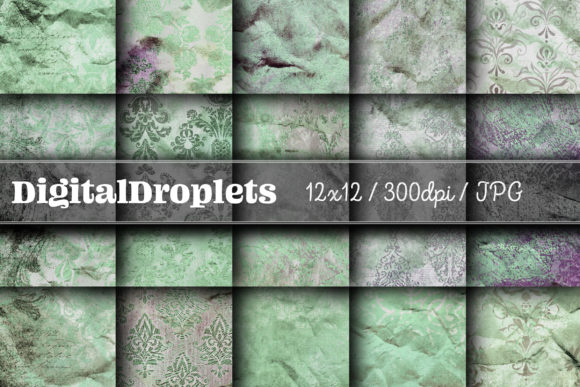
At its core, this collection features ten distinct 12x12 high-resolution JPEG files. However, describing them simply as "papers" misses the nuance of the design. Each page in the Golden Damask Dust Vol. 10 | Collection is built upon a foundation of classic damask patterns. Damask is a reversible figured fabric, but in design, it refers to those intricate, symmetrical floral or geometric motifs often associated with historical wallpaper and upholstery. By taking these traditional patterns and overlaying them with "dust" and "golden" textures, the collection bridges the gap between antique elegance and modern digital artistry.
What sets this specific volume apart is the layering technique. The creator has blended alcohol ink and watercolor textures directly over the damask prints. This process creates a "lived-in" look that is difficult to replicate from scratch. You will notice that some of the underlying patterns are crisp, while others are obscured by a wash of color or a gritty golden overlay. Furthermore, elements from other papers in the shop are occasionally visible, peeking through to add a collage-like depth. The result is a creative font of backgrounds—each sheet has its own personality, ranging from subtle and muted to rich and textured.
Practical Applications for Modern Creators
When you are working on a branding project or a piece of editorial design, the background texture acts as the stage for your typography and imagery. The Golden Damask Dust Vol. 10 | Collection is particularly effective because of its versatility. It works exceptionally well for projects that require a vintage or shabby-chic aesthetic, but it can also serve as a sophisticated counterpoint to modern typography.
For scrapbooking and physical crafting, the utility is obvious. These papers serve as ideal foundations for photo albums, particularly for heritage photos or wedding books. However, the application extends far beyond traditional scrapbooks. Consider using these textures for:
- Junk Journals and Collages: The varied textures provide an excellent base for mixed-media art, allowing other elements to sit naturally without looking "pasted on."
- Card Making and Invitations: A background from this set can instantly elevate a simple greeting card. For wedding designs, the golden overlays suggest luxury and celebration without the need for expensive foil printing.
- Digital Assets: In the digital realm, these 12x12 squares are perfect for creating custom washi tape strips, digital stickers, or envelope liners for email marketing.
- Home Decor and Wall Art: Because the files are 300dpi and high resolution, they can be printed for physical wall art or used as unique backgrounds for photography backdrops.
For blog design and social media graphics, these textures can help establish a consistent visual identity. If your brand leans towards the artisanal, historical, or feminine, using a subtle damask texture behind your text blocks can reinforce your brand identity without cluttering the layout. It adds a layer of professionalism that stock photos often lack.
Integrating Texture into Your Design Workflow
As a designer or content creator, incorporating a premium font or texture set requires a strategic approach. You cannot simply drop a busy background behind text and expect readability. When using the Golden Damask Dust Vol. 10 | Collection, the key is managing visual hierarchy.
First, consider the contrast. Because these papers feature intricate patterns and golden dust effects, they are inherently "busy." To maintain readability, pair them with clean typography. A bold sans serif font often works best for headlines, as the clean geometry of the letters contrasts beautifully with the ornate, flowing lines of the damask. If you are going for a more traditional look, a sturdy serif font can work, provided the text is large enough to stand out against the texture.
Here are a few practical tips for using this collection effectively:
- Use Masks and Overlays: Don't be afraid to cut out shapes. Use the papers to fill the letters of a title or create geometric frames. This allows the texture to act as a color or pattern fill rather than a full background, reducing visual noise.
- Adjust Opacity: If the golden dust effect is too strong for your specific project, lower the opacity of the paper layer in your editing software. This allows the texture to support your content rather than compete with it.
- Test Font Pairings: Before finalizing your design, test how your chosen typeface interacts with the specific damask pattern. Some patterns are tighter and more uniform, while others are larger and more sprawling. Ensure the scale of the font matches the scale of the pattern.
Ultimately, the goal of using design assets like the Golden Damask Dust Vol. 10 | Collection is to speed up your workflow while maintaining a high standard of quality. Instead of spending hours blending watercolor textures and sourcing damask patterns in Photoshop, you have a ready-made library of backgrounds that are ready for commercial use. Whether you are designing a logo, creating packaging design, or assembling a mood board, this collection offers a reliable way to inject warmth, history, and elegance into your work.