Boho Geom Papers Vol. 167: Your New Secret Weapon for Layered, Textured Design
Let’s be honest—finding background papers that actually feel unique can be a slog. You’ve seen the same generic textures and patterns recycled across every digital asset shop. That’s why when you encounter a collection like the Boho Geom Papers Vol. 167, it’s worth pausing to take a closer look. This isn’t just another set of digital backgrounds; it’s a curated toolkit designed for creators who value depth, texture, and a cohesive artistic voice.
The Anatomy of the Aesthetic: Foggy, Geometric, and Uniquely Bordered
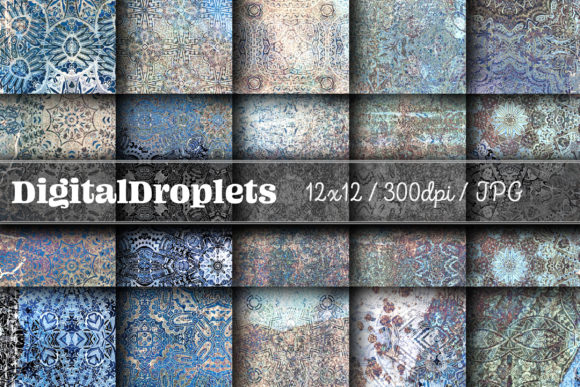
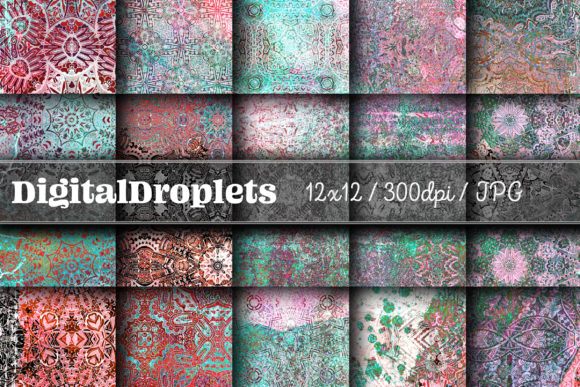
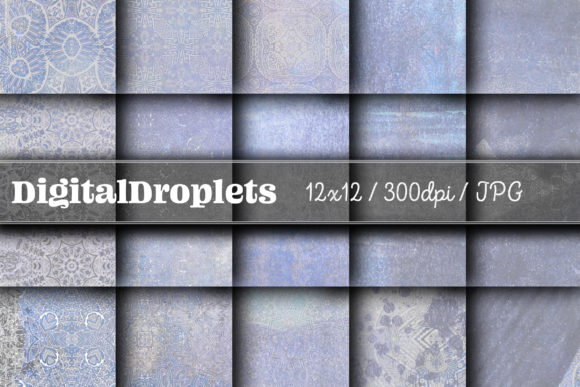
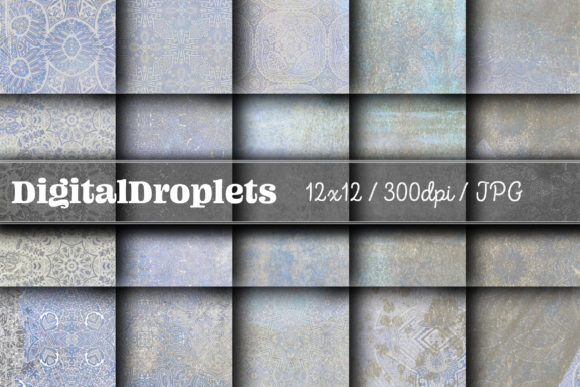
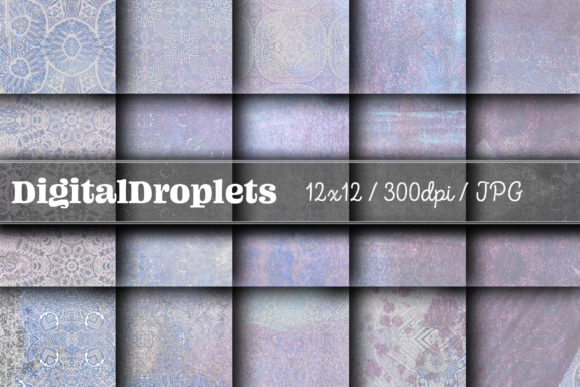
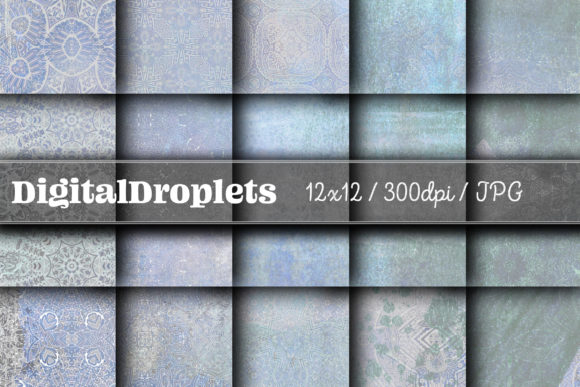
At its core, this collection offers 10 high-resolution JPEG files, each measuring 12x12 inches at 300dpi—perfect for both digital screens and crisp print output. But the real value lies in their visual construction. Each paper is a sophisticated blend of several elements: a foundational mandala-style geometric pattern is overlaid with a soft, atmospheric fog created from alcohol ink or watercolor textures. This combination results in a look that is both structured and dreamlike, avoiding the harshness of pure geometry.
The standout feature, however, is the treatment of the borders. Each paper includes a distinct, blended border that mimics either a weathered wood or a natural stone texture. This subtle detail provides an immediate sense of frame and grounding, making these papers exceptionally ready for use as standalone backgrounds for scrapbook pages, junk journal spreads, or digital frames. It saves you the extra step of adding a distressed edge or a vignette in post-processing.
For designers, this texture-rich approach is a goldmine. It translates beautifully into packaging design for artisanal products, blog design elements, or as a textured base for social media graphics. The boho-geometric fusion feels contemporary yet timeless, steering clear of fleeting trends. It’s a style that communicates authenticity and craftsmanship—key components of a strong brand identity for small businesses in the lifestyle, wellness, or creative sectors.
Beyond Scrapbooks: Strategic Applications for Modern Creators
While the product description rightly highlights scrapbooking and cards, the utility of these papers extends far into professional and commercial realms. Think of them as versatile design assets that can elevate a project’s perceived value.
- Digital Branding & Web Design: Use a full paper as a website hero background for a boutique brand, or slice them into thinner strips for custom digital washi tape in a newsletter design. The organic textures soften a digital interface, making a brand feel more approachable and human.
- Editorial & Publishing: In editorial design, these papers can serve as textured chapter openers, sidebars, or pull-quote backgrounds in a magazine or lookbook. They add a tactile quality to flat PDFs, enhancing the reader’s visual experience without distracting from the content.
- Product Mockups & Photography: Photographers and product-based entrepreneurs can use them as styled photography backdrops for flat lays. The muted, foggy color palette ensures your subject remains the star while the background adds context and depth.
- Print & Packaging: Imagine these patterns as the interior lining for a luxury box, the wrap for a candle, or the surface of a greeting card. The inherent sophistication of the texture makes it suitable for premium font pairings and high-end packaging design.
Practical Integration: Pairing, Licensing, and Workflow
Integrating a new asset collection into your workflow requires a bit of strategy. First, consider font pairing. The busy, textured nature of these backgrounds means they pair best with clean, legible typefaces. A sturdy sans serif font for body text or a bold, simple display font for headlines will create a necessary contrast, ensuring your message isn’t lost in the texture. Avoid overly ornate script fonts or highly detailed serif fonts for large blocks of text, as they can compete for attention.
Second, understand the collection’s ecosystem. The seller notes that these papers coordinate with the Boho Geo Papers Collection, which features the same patterns in a smaller scale. This is incredibly useful for creating cohesive projects. You could use the Vol. 167 paper as your main background and use a smaller-scale pattern from the other collection for a complementary element, like a tag or a photo mat, creating visual harmony.
Third, evaluate the licensing for your specific needs. These assets are typically sold with a commercial license, allowing you to use them in end products for sale—like invitations, planners, or home decor prints. However, it’s always prudent to review the specific terms to ensure your intended use, especially for large-scale distribution or print-on-demand services, is covered.
Finally, test before you commit to a full project. Download any available sample freebies from the shop to assess the color profile, texture resolution, and how the patterns interact with your existing toolkit. See how the JPEG compression holds up when you apply a slight color overlay or scale it for a different project, like planner stickers or wall art. This small step can save significant revision time later.
The Boho Geom Papers Vol. 167 | Collection is more than a set of backgrounds; it’s a foundational layer for adding instant depth and character. By understanding its components and thinking creatively about its applications, you can leverage these assets to bring a consistent, professional, and textured aesthetic to a wide array of projects. It’s a practical investment for any creator’s digital library, offering solutions that are as beautiful as they are functional.